Anxiety & panic
Morning anxiety
Nothing has happened yet. You've been conscious for ninety seconds. And there's already a weight in your chest and a list forming — which feels absurd, because objectively the day hasn't had a chance to go wrong.
The short answer
Waking up anxious usually has a physiological cause rather than a psychological one: cortisol rises sharply in the first 30–45 minutes after waking as part of the normal wake-up process, and if you're already prone to anxiety, that surge arrives as dread looking for a reason. Blood sugar is low, you're dehydrated, and you haven't moved. The most effective response is to treat the first hour as physiological — light, water, food, movement — and delay your phone.
It's mostly chemistry, not premonition
There's a well-documented phenomenon called the cortisol awakening response: cortisol climbs steeply in the first half hour or so after you wake, then tapers. It's normal and it's functional — it's part of what gets you upright and moving.
But cortisol is also a stress hormone, and it produces physical sensations — a tight chest, a fast heart, alertness with an edge — that your brain will readily interpret as fear. So it goes looking for the cause, and it will always find something: the meeting, the email, the thing you said last week.
Meanwhile your blood sugar is at its lowest, you haven't drunk anything for eight hours, and you haven't moved. That's four physiological inputs pointing the same way before you've had a single genuine thought.
The reframe that helps most
The dread came first. The reason came second. It feels like you woke up worried about something — usually you woke up activated, and your mind supplied a subject afterwards.
Don't start with your phone
Reaching for your phone in the first minutes hands an already-activated nervous system a feed of news, work, and other people's demands. You're pouring input into a system that's peaking.
Twenty minutes is enough to make a real difference. If you use your phone as an alarm, put it across the room — the reach is the habit, and breaking the reach breaks most of it.
A first hour that helps
- Water first. Genuinely — eight hours without fluid amplifies everything above. It's the least interesting item here and one of the most effective.
- Daylight, early. Outside if possible, within the first half hour. Morning light anchors your body clock, and a well-anchored clock makes both mornings and nights easier.
- Move, briefly. Not a workout. Two minutes — stairs, a walk to the end of the street, stretching. Movement gives the cortisol somewhere to go.
- Eat something with protein. Low blood sugar and anxiety feel remarkably similar. Skipping breakfast and then wondering why you're shaky by ten is a very common own goal.
- Breathe long out-breaths. A minute or two while the kettle boils. Any long-exhale pattern works.
- Name one thing for the day. Not a list — a list is another source of dread. One. This is what the One Thing approach is for.
If the dread has a specific shape
Sometimes morning anxiety isn't diffuse — it's about a real, identifiable thing you're avoiding. That's a different problem, and it responds to a different move: name it and take the smallest possible action against it, because avoidance is what's charging interest.
If you can't tell which kind you're having, a five-minute brain dump usually settles it. Diffuse dread produces a scattered page. A specific avoidance produces the same item three times.
The night before matters more than you'd like
A large share of morning anxiety is manufactured the previous evening: alcohol fragmenting the second half of the night, late caffeine, a phone in bed, or going to sleep on an unprocessed day. If your mornings are consistently rough, the leverage is often at 10pm rather than 7am — see anxiety at night.
When to take it further
Morning anxiety that's persistent, that comes with early waking you can't get back to sleep from, or that arrives with a flat, joyless quality is worth mentioning to a doctor — that particular pattern is a recognised feature of depression as well as anxiety, and it's very treatable. The routine above helps; it isn't a substitute for that conversation.
Tools for this in the app

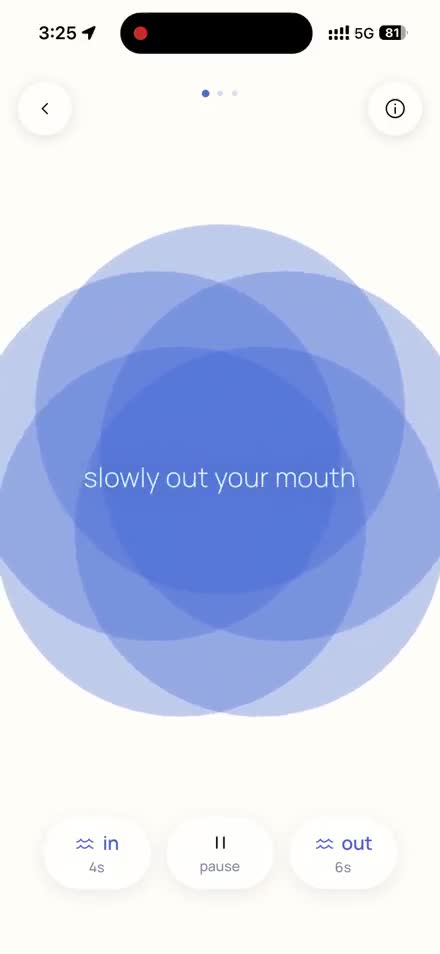
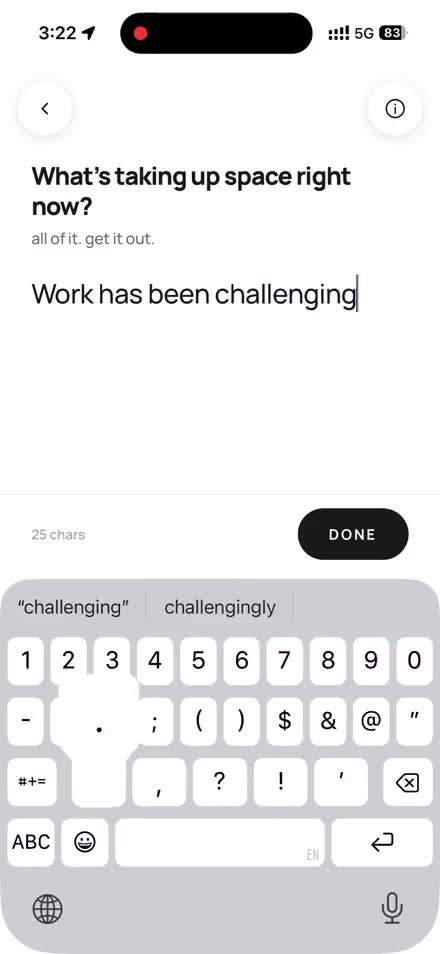
Something other than your inbox.
If your phone is the first thing you reach for, centered space gives that reach somewhere better to land — two minutes before the day starts.


Common questions
Why do I wake up feeling anxious for no reason?
Cortisol rises sharply in the first 30–45 minutes after waking as a normal part of the wake-up process. It produces physical sensations — tight chest, fast heart, edgy alertness — that your brain readily interprets as fear and then finds a subject for. Combined with low blood sugar and dehydration, that's several physiological inputs before you've had a real thought.
What is the cortisol awakening response?
It's a well-documented sharp rise in cortisol during roughly the first half hour after waking, which then tapers off. It's normal and functional — part of what gets you upright and going. For people prone to anxiety, that same surge tends to be experienced as dread rather than as alertness.
How do I stop morning anxiety?
Treat the first hour as physiological rather than psychological: water, daylight within the first half hour, two minutes of movement, something with protein, and a long-exhale breath pattern. Delay your phone by about twenty minutes, since it feeds an already-peaking system. Then name one thing for the day rather than a list.
Is morning anxiety a sign of depression?
It can be. Anxiety that's worst in the morning, particularly alongside early waking you can't return to sleep from and a flat or joyless quality to the day, is a recognised pattern in depression as well as anxiety. Both are very treatable, so it's worth raising with a doctor rather than only managing it with routine.
Not medical advice. These are general wellness techniques, not treatment for a medical or psychiatric condition. If anxiety, low mood, or intrusive thoughts are affecting your daily life, talk to a doctor or a licensed therapist. If you're in crisis, contact your local emergency number or a crisis line.