Anxiety & panic
How to calm down quickly
If you're in it right now, skip the explanation and do the first thing. You can read why it works later.
The short answer
Start with your body, not your thoughts — under real stress the reasoning part of your brain isn't fully available, so trying to talk yourself down usually fails. Take two inhales through your nose and one long exhale through your mouth, three times. Then put cold water on your face. Then name five things you can see. That sequence takes about sixty seconds and works for most people regardless of what set it off.
Do this first
- Two in, one long out. Two inhales through the nose, then a long slow exhale through the mouth. Three rounds. This is the physiological sigh and it's the fastest lever most people have.
- Cold water on your face. Especially around your eyes and cheekbones. Cold triggers a reflex that slows your heart rate. If there's no sink, a cold drink held against your face works.
- Five things you can see. Out loud if you can. Then four you can touch. This is 5-4-3-2-1 grounding, and it pulls you out of the future and back into a room where nothing is currently happening.
That's the general-purpose sequence. If it took the edge off, stop here — you don't need the rest of this page right now.
Why thinking your way out doesn't work
Under genuine stress, blood flow and priority shift away from the prefrontal cortex — the deliberate, reasoning, perspective-taking part — toward faster, more automatic systems. That's an adaptation, not a malfunction. It's also why every sensible thing you know about your situation is completely unavailable to you at the peak.
Body-based techniques work because they don't route through the part that's currently offline. Get the physiology down first. The thinking comes back on its own.
Then pick by what's actually happening
Once you're off the peak, the right next move depends on what kind of moment this is.
- Racing heart, can't breathe, convinced something is badly wrong. That's likely panic — it peaks and passes, usually within about ten minutes. Go to how to calm a panic attack.
- Hot, tight, about to say something. Anger. The priority is delay, not calm — how to pause before you react.
- Same thought, over and over, going nowhere. Rumination. Get it out of your head: how to stop overthinking.
- About to do something you'll regret. An urge. Buy twenty minutes: urge surfing.
- Numb, far away, watching yourself from outside. Dissociation. Different approach entirely: grounding for dissociation.
- Flat, heavy, can't start anything. Shutdown rather than activation — start with the smallest possible physical move and check HALT.
If nothing is working
Three things worth trying when the first sequence doesn't land:
- Go more physical, not less. Thirty seconds of stairs, push-ups against a wall, or a fast walk. Anxiety is mobilised energy; sometimes it needs spending rather than soothing.
- Change the room. Stepping outside changes light, temperature, sound, and what your eyes are being fed all at once.
- Say it to someone. Not for advice. Being witnessed by a calm person is one of the strongest regulators there is.
If you're in crisis
If you're thinking about harming yourself, please don't work through this alone. Contact your local emergency number or a crisis line.
Making the next one easier
The reason these work better for some people than others is mostly practice. A technique you've only ever read about is hard to execute at an 8 out of 10; one you've run twenty times on ordinary days is close to automatic.
Pick one from above and use it this week when you're at a 3. That's what consistency is actually for — not the calm days themselves, but the deposit they make for the bad ones. The full set is in coping skills for anxiety.
Tools for this in the app
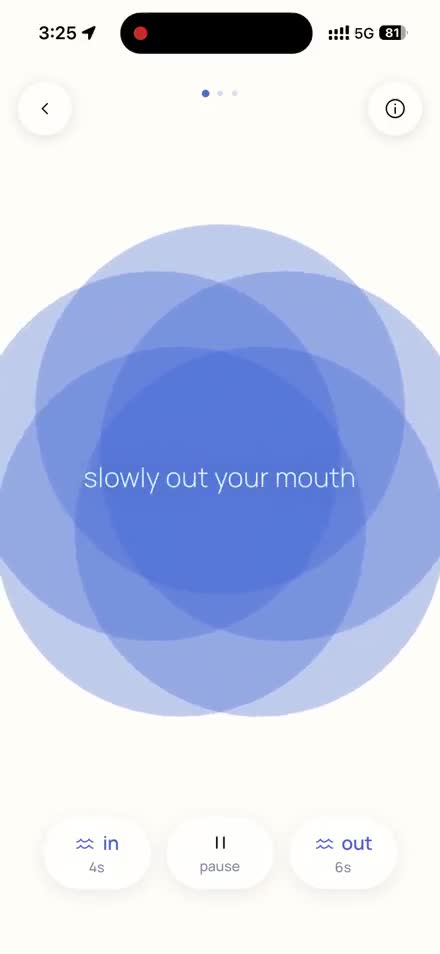
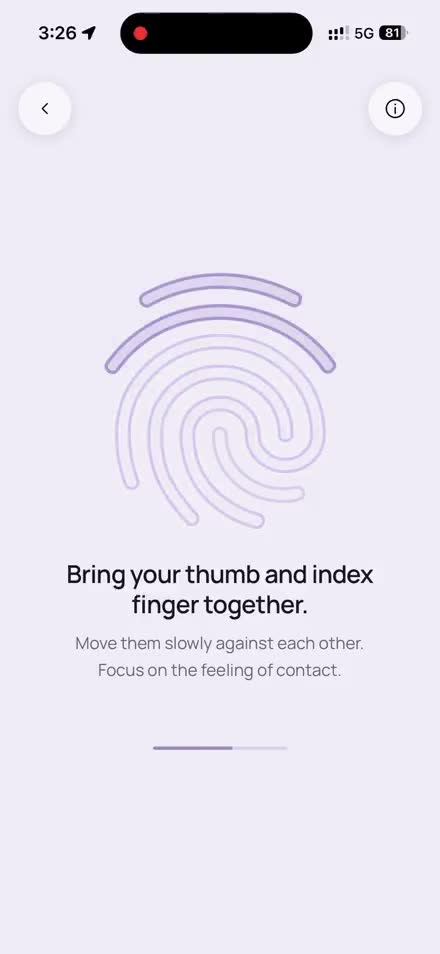
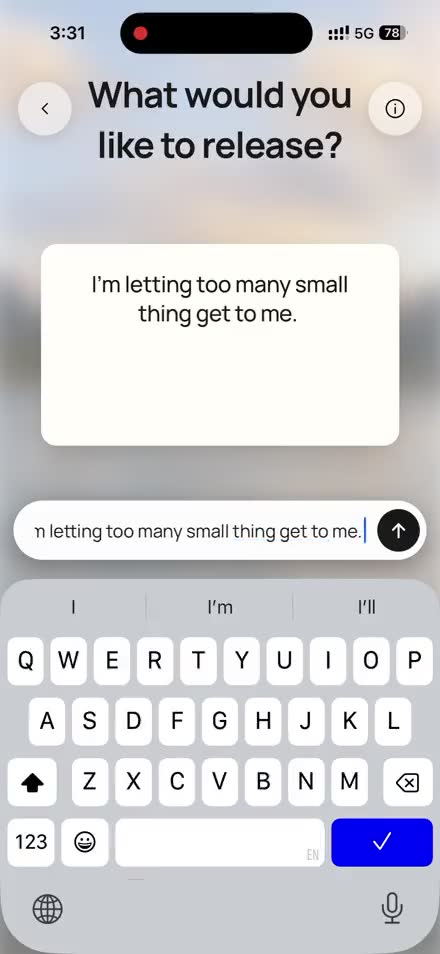
For the next sixty seconds.
centered space opens straight into the tool you need — no library to search, no sign-up before you can use it.


Common questions
How do I calm down in 60 seconds?
Take two inhales through your nose followed by one long exhale through your mouth, three times. Then put cold water on your face, especially around the eyes and cheekbones. Then name five things you can see. This sequence targets your physiology rather than your thoughts, which is why it works when talking yourself down doesn't.
Why can't I calm myself down by thinking?
Under real stress, priority shifts away from the prefrontal cortex — the deliberate, reasoning part of your brain — toward faster automatic systems. Everything sensible you know about your situation becomes temporarily hard to access. Body-based techniques work because they don't depend on the part that's offline.
What's the fastest way to stop a panic attack?
Slow your exhale and remember that panic peaks and passes, usually within about ten minutes. It feels dangerous but isn't. Pursed-lip breathing helps with the sensation of not getting enough air, which during panic is usually caused by over-breathing rather than a lack of oxygen.
What if none of these techniques work for me?
Try going more physical rather than less — thirty seconds of stairs or a fast walk gives mobilised energy somewhere to go. Changing rooms or stepping outside changes several inputs at once. And saying it out loud to a calm person regulates more effectively than most techniques do. If distress is frequent or severe, that's worth raising with a doctor.
Not medical advice. These are general wellness techniques, not treatment for a medical or psychiatric condition. If anxiety, low mood, or intrusive thoughts are affecting your daily life, talk to a doctor or a licensed therapist. If you're in crisis, contact your local emergency number or a crisis line.