Urges & recovery
Distress tolerance skills
There's a category of moment where every technique aimed at feeling better is the wrong tool, because you're not going to feel better in the next twenty minutes. The only available goal is to get to the other side without adding a new problem.
The short answer
Distress tolerance skills come from dialectical behaviour therapy (DBT) and they have a deliberately modest goal: survive a crisis without making it worse. They're for when the intensity is too high to problem-solve and the situation can't be changed right now. The core set is TIPP — cold Temperature, Intense exercise, Paced breathing, Paired muscle relaxation — plus distraction and self-soothing. They aren't meant to fix anything, and that's the point.
A different goal from everything else
Most coping advice is aimed at reducing distress. Distress tolerance isn't. Its goal is to get you through a peak without doing the thing that turns a bad hour into a bad month — the message sent, the drink taken, the job quit, the self-harm.
That lowered bar is the whole design. When you're at a 9, "feel better" is not achievable and setting it as the target just adds failure to distress. "Get to 10pm without making this worse" is achievable.
How to know you're in this category
Two tests: the intensity is too high to think clearly, and the situation can't be solved right now. If either is false, use a different set of skills — see coping skills for anxiety.
TIPP — for the very top of the wave
These are the fastest, because they change body chemistry directly rather than working through your thoughts.
- T — Temperature. Cold water on your face, especially around the eyes and cheekbones, or an ice pack held there for around thirty seconds. This triggers a reflex that slows the heart. It's the fastest item on this list. Skip this if you have a heart condition or an eating disorder without checking with a doctor — it does genuinely change heart rate.
- I — Intense exercise. Ten to fifteen minutes of something that raises your heart rate: running, stairs, star jumps. It burns off the mobilised energy that has nowhere to go.
- P — Paced breathing. Slow it down and make the exhale longer than the inhale. Details in breathing exercises for anxiety.
- P — Paired muscle relaxation. Tense a muscle group hard as you breathe in, release completely as you breathe out, and say "relax" internally. Work through the body. The tensing is what makes the release noticeable.
Distraction, used on purpose
Distraction has a bad reputation because it's confused with avoidance. The difference is entirely in the timescale and the intent: deliberate, time-limited distraction during a peak is a skill; permanent distraction from a problem you could address is avoidance.
DBT organises this as ACCEPTS — activities, contributing to someone else, comparisons, opposite emotions, pushing away, other thoughts, other sensations. In practice most people find two or three that work:
- Something absorbing enough to require you. A demanding game, a difficult recipe, cleaning a specific thing thoroughly. Passive scrolling doesn't qualify — it leaves the loop running underneath.
- Do something for someone else. Unreasonably effective. It shifts you out of the self-focus the distress is feeding on.
- Deliberately opposite input. Something genuinely funny, or music that doesn't match the mood. Not to deny the feeling — to stop it recruiting everything else.
- Put it in a box, on purpose. Visualise shelving it until 9am tomorrow. You're deferring, not denying, which your brain will accept far more readily.
Self-soothing through the senses
When the peak has passed but you're raw, deliberately give each sense something kind: a hot shower, a specific piece of music, a blanket with the right texture, a smell you associate with safety, a good drink you actually taste.
This sounds trivial written down. It isn't — it's the part people skip, and it's what keeps a survived crisis from rolling straight into the next one. Self-compassion is the same instinct pointed at how you talk to yourself.
Radical acceptance, for what can't be changed
The longer-range skill: accepting reality as it is, not because it's acceptable, but because fighting a fact you can't change adds suffering on top of pain.
It is regularly misheard as approval. It isn't. It's the difference between "this shouldn't have happened" — which is a fight with the past you cannot win — and "this happened, and now I decide what I do." The choice point is a practical version of the same move.
Where these come from, and their limits
These skills come from dialectical behaviour therapy, developed by Marsha Linehan, originally for people experiencing chronic, intense emotional pain. The full programme is a structured therapy with a trained therapist, group skills training, and homework — reading the skills is genuinely useful, and it isn't the same thing.
If you're regularly reaching this intensity, that's a strong indication for proper support rather than self-management. If you're having thoughts of harming yourself, please contact your local emergency number or a crisis line now.
Tools for this in the app
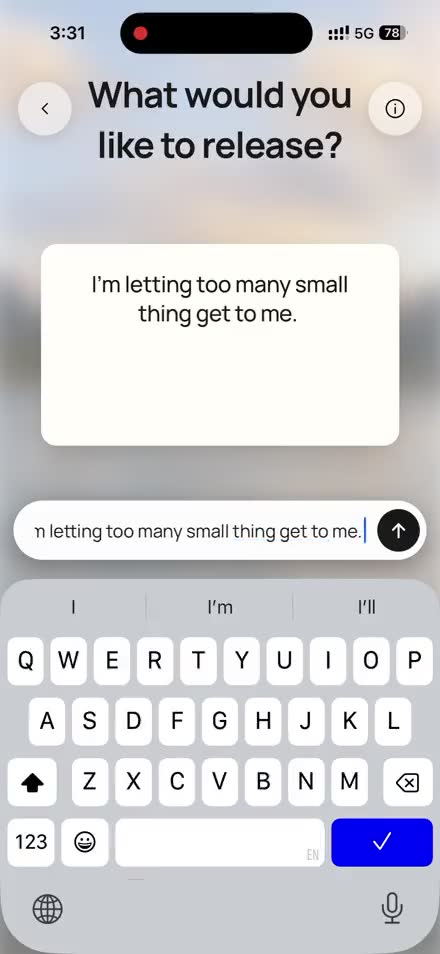
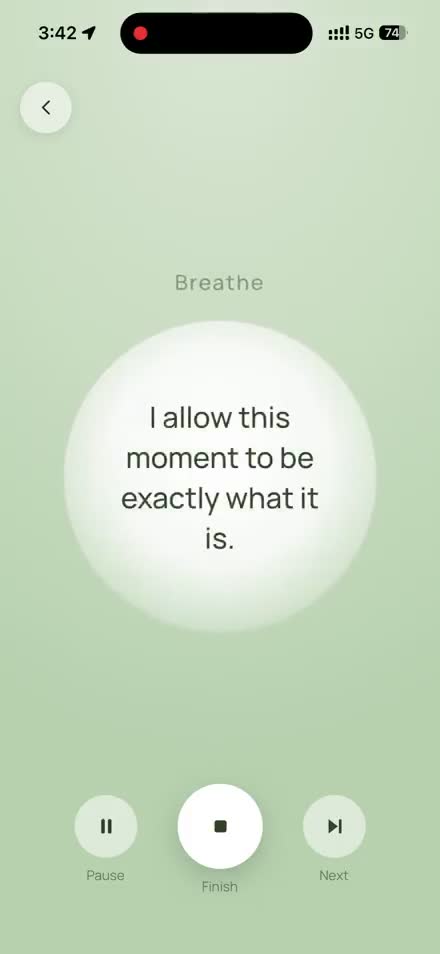
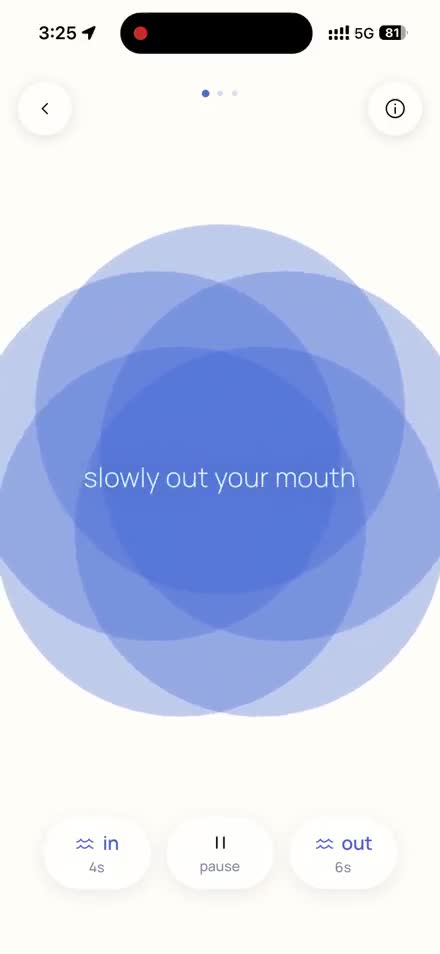
For getting through the next twenty minutes.
centered space has quick tools for exactly this — something to do with your hands and attention until the peak passes.


Common questions
What are distress tolerance skills?
They're DBT skills for surviving a crisis without making it worse, used when distress is too high to think clearly and the situation can't be changed right now. Unlike most coping advice, the goal isn't to feel better — it's to get through the peak without adding a new problem on top of the existing one.
What is the TIPP skill?
TIPP stands for Temperature, Intense exercise, Paced breathing, and Paired muscle relaxation. Cold water on the face triggers a reflex that slows the heart, intense exercise burns off mobilised energy, paced breathing with a long exhale lowers arousal, and tensing then releasing muscles makes the release noticeable. It works fast because it changes body chemistry directly.
Is distraction the same as avoidance?
No, and the difference is timescale and intent. Deliberate, time-limited distraction during a peak is a skill — it buys you the time for intensity to fall. Permanently distracting yourself from a problem you could address is avoidance, and it charges interest. Passive scrolling usually fails the test because the loop keeps running underneath.
Can I learn DBT skills on my own?
You can learn and use individual skills usefully on your own, and many people do. But full DBT is a structured therapy involving a trained therapist, group skills training and homework, and it isn't the same as reading about the skills. If you're regularly reaching crisis-level distress, that's a strong reason to seek proper support.
Not medical advice. These are general wellness techniques, not treatment for a medical or psychiatric condition. If anxiety, low mood, or intrusive thoughts are affecting your daily life, talk to a doctor or a licensed therapist. If you're in crisis, contact your local emergency number or a crisis line.